
Table of contents
Sweet drinks: a treat for all the senses
Sweet drinks are one of the most popular categories in the cocktail world. With their rich flavors, appealing appearance and often light-bodied character, they have become favorites at both parties and more casual occasions. From tropical classics to creamy dessert cocktails, sweet drinks offer a wide variety to suit all tastes and occasions. In this article, we explore what makes sweet drinks so special, their history, modern trends and why they continue to fascinate.
What are sweet drinks?
Sweet drinks are characterized by their prominent sweetness, which often comes from ingredients such as fruit juices, syrups, liqueurs or syrups. The sweet taste is sometimes balanced with acidity or bitterness to create a more complex flavor profile. These drinks can range from light and fruity to rich and creamy, making them incredibly versatile.
Sweet drinks are particularly popular for their accessibility - they are easy to drink and suitable for both beginners and experienced cocktail lovers. They also work well as dessert drinks or for festive occasions where something extra luxurious is desired.
The history of sweet drinks
The use of sweetness in drinks has a long history dating back to ancient times, when honey was used to sweeten wine and other fermented drinks. In the 17th century, sugar started to become more available in Europe, leading to the development of sweet liqueurs and syrups that quickly became popular in cocktails.
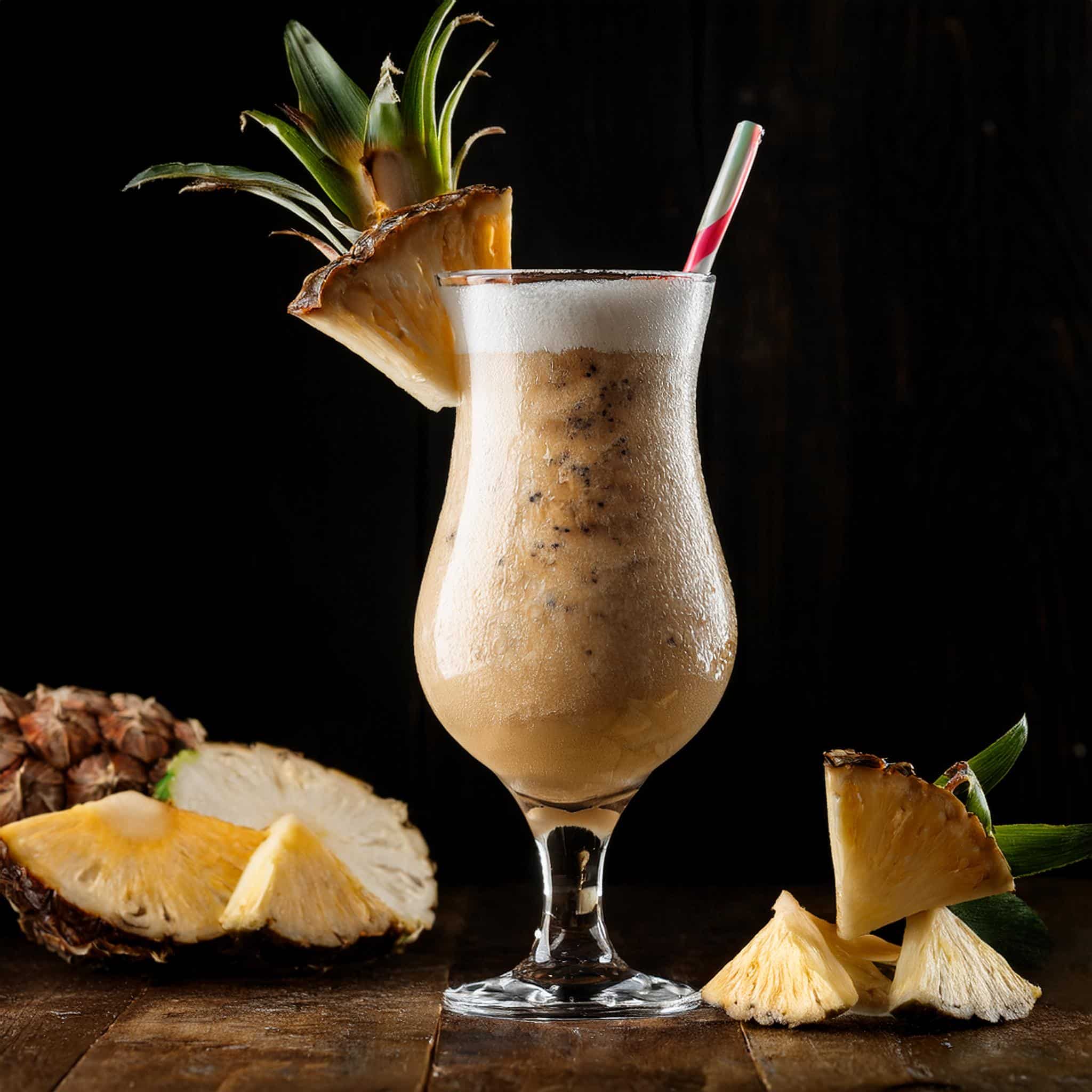
In the 19th century, sugar syrup became a standard ingredient in many classic cocktails, laying the foundation for today's sweet drinks. The 20th century saw the introduction of tropical cocktails such as the piña colada and mai tai, which further cemented sweetness as an important part of cocktail culture.
Today, sweet drinks continue to evolve with new flavors, techniques and ingredients that make them more exciting than ever.
Why are sweet drinks so popular?
Sweet drinks have a natural appeal thanks to their flavor profile and visual appeal. Here are some reasons for their popularity:
- Accessibility: The sweet taste makes them easy to drink and appreciated by many.
- Variation: Sweet drinks can range from fruity and light to rich and creamy.
- Aesthetics: Colorful ingredients and decorative garnishes make them visually appealing.
- Versatility: They are suitable as an appetizer, dessert drink or just to enjoy something delicious.
Modern trends in sweet drinks
In recent years, bartenders have taken sweet cocktails to new heights by experimenting with flavors, techniques and presentations. Here are some of the latest trends:
Tropical flavors
Ingredients such as coconut, pineapple, mango and passion fruit are often used in modern sweet drinks to give an exotic feel. These flavors are particularly popular in tiki-inspired cocktails.
Dessert cocktails
Creamy dessert cocktails with ingredients such as cream, chocolate liqueur or Baileys have become increasingly popular. These drinks work just as well as a dessert.
Bubbling elements
Sparkling wine or prosecco is often used to give sweet drinks a lighter feel while retaining their luxurious character.
Flavored syrups
Bartenders are experimenting with homemade syrups flavored with everything from lavender to chili to create unique combinations of sweet and spicy.
Garniture art
Decorations such as fresh berries, edible flowers or chocolate spirals are used to make the drink even more visually impressive.
The role of sweetness in mixology
Sweetness plays a central role in mixology as it helps to balance other flavors in the drink, such as acidity or bitterness. Here are some ways sweetness is used in cocktails:
- Syrup: Sugar syrups or flavored syrups are often used to provide an even sweetness.
- Fruit juicer: Naturally sweet juices from oranges, pineapples or cranberries add both flavor and color.
- Liqueurs: Sweetened spirits such as Cointreau or Amaretto provide both alcoholic strength and sweetness.
- Garnishes: Ingredients such as sugared ice cream stripes or chocolate chips enhance the sweet experience.